
Blog
Understanding the psychology behind gambling behavior in casinos

Understanding the psychology behind gambling behavior in casinos
The Allure of Gambling
Gambling holds a unique fascination for many individuals, drawing them into an exciting world where fortunes can change in an instant. This allure is often tied to the thrill of risk and reward; players are captivated by the prospect of winning big. The unpredictable nature of casino games, whether it be a spin of the roulette wheel or a hand of poker, creates an adrenaline rush that keeps players returning for more. This emotional high can often overshadow rational decision-making, leading individuals to gamble more than they initially planned. For those looking to explore options, https://qbetcasinos-uk.com offers a comprehensive introduction to engaging online gaming experiences.
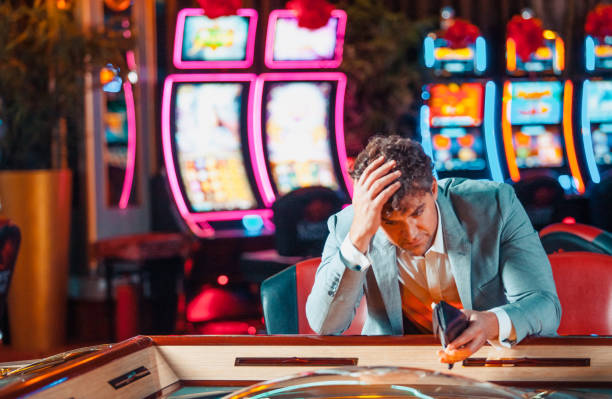
Another critical factor in the allure of gambling is the social environment that casinos offer. The ambiance is designed to create a sense of excitement and anticipation, often filled with bright lights, captivating sounds, and an overall festive atmosphere. This setting stimulates the brain’s reward system, releasing dopamine and creating feelings of pleasure. Consequently, the social aspect of gambling can be as enticing as the games themselves, making it easy for individuals to lose track of time and money while enjoying the company of fellow gamblers.
Moreover, marketing strategies employed by casinos further intensify this allure. Promotions, bonuses, and free spins are common tactics that attract new players and retain existing ones. These incentives create a sense of urgency, often pushing individuals to gamble beyond their means. As the excitement builds, players may become less mindful of their budget, focusing instead on the potential for immediate rewards, which can lead to problematic gambling behaviors.
The Psychology of Risk and Reward
At the core of gambling behavior lies the psychology of risk and reward, which is deeply rooted in human nature. The thrill of taking risks and the potential for high rewards can be addictive. This phenomenon is connected to the brain’s reward circuitry, which can drive people to seek out activities that produce pleasurable experiences. When gamblers win, their brains release neurotransmitters like dopamine, reinforcing the behavior and making them more likely to gamble again in the future.
Furthermore, the concept of loss aversion plays a significant role in gambling behavior. Many individuals are more motivated to avoid losses than to seek gains. This psychological principle can lead players to continue gambling even after experiencing significant losses, as they hope to recover what they have lost. The belief that they are just one lucky spin away from winning back their money can create a vicious cycle of chasing losses, ultimately leading to deeper financial troubles.
Moreover, the influence of cognitive biases, such as the gambler’s fallacy, complicates decision-making in gambling contexts. Players often believe that past events can influence future outcomes, leading them to think they are “due” for a win after a series of losses. This irrational thinking can perpetuate gambling behavior, as individuals may invest more time and money based on flawed reasoning rather than statistical probabilities.
Environmental Influences on Gambling Behavior
The environment in which gambling occurs greatly influences behavior, often making it challenging for individuals to gamble responsibly. Casinos are designed to engage the senses fully, utilizing lighting, sounds, and even scents to create an immersive experience. This carefully curated environment can induce excitement and distract players from their financial limits, often resulting in prolonged gambling sessions. The absence of clocks and windows further isolates players from the outside world, creating a sense of timelessness that can lead to excessive gambling.
Additionally, the presence of alcohol in casinos can further impair judgment and lead to impulsive gambling behavior. Many casinos offer complimentary drinks to patrons, which can lower inhibitions and encourage riskier bets. This combination of a stimulating environment and diminished self-control makes it easy for players to lose track of their gambling habits and financial boundaries.
Social dynamics also play a role in influencing gambling behavior. The competitive nature of certain games, like poker, can amplify the desire to outperform others, making individuals more willing to take risks. Observing others win can create a sense of camaraderie and lead to groupthink, where individuals feel pressured to gamble despite reservations. This social element can significantly shape individual decision-making and perpetuate gambling behaviors, making it important to understand the environment’s role in the overall gambling experience.
Identifying Problem Gambling Behaviors
Understanding the psychology behind gambling can help identify problematic gambling behaviors. Signs of such behaviors often include an inability to stop gambling despite negative consequences, such as financial difficulties or strained relationships. Individuals may also engage in justifications for their gambling habits, convincing themselves that they will eventually win back their losses. Recognizing these patterns is crucial for addressing the issue before it spirals out of control.
Another indication of problem gambling is the emotional attachment to gambling activities. Players may experience heightened anxiety, stress, or depression related to their gambling experiences. This emotional connection can lead to a vicious cycle, where individuals gamble to escape negative feelings, which only exacerbates the underlying issues. Acknowledging these emotions is key to understanding one’s gambling behavior and seeking help if needed.
Additionally, seeking help from professional resources is essential for individuals experiencing problematic gambling behaviors. Support groups, counseling, and gambling addiction hotlines offer valuable assistance in navigating the challenges of gambling addiction. Understanding the psychological factors at play can empower individuals to take control of their behavior and seek healthier alternatives for managing risk and reward.

Exploring Online Casino Options
In today’s digital age, online casinos have revolutionized the gambling experience, offering convenience and a vast array of gaming options. Sites like Qbet Casino UK have emerged, providing a user-friendly interface with thousands of games. Understanding the psychological factors at play in online gambling is critical, as it retains many of the environmental influences of traditional casinos but adds the temptation of gambling from the comfort of one’s home.
Online casinos often employ similar marketing tactics as brick-and-mortar establishments, including bonuses and promotions that entice players to engage. These strategies can heighten the risk of problematic gambling behaviors, especially for those who may not have the same self-regulation when gambling at home. It is crucial for players to approach online gambling with a clear understanding of their limits and the potential psychological impacts.
Moreover, online platforms like Qbet Casino UK offer diverse gaming experiences that cater to all preferences, from slots to live games and sports betting. This variety can heighten engagement and make it easier for players to lose track of their gambling activities. By fostering a deeper understanding of gambling psychology, players can develop healthier habits while enjoying their online gaming experience and prioritize responsible gaming practices.