
Blog
Casino Software Development: Modules, Integrations, and Compliance

Casino Software Development: Core Modules and Architecture for Online Platforms
I’ve built casino software development stacks. Start with player account management, CRM, casino management system, and a casino CMS that admin teams can actually use. One 99.9% uptime target keeps latency and outages in check.
Casino Software Solutions vs Casino Software Solution: Choosing the Right Delivery Model
- Pick a hosted setup if you need launch in 30 days.
- Demand source escrow when using a white-label casino software.
- Run a load test against 2,000 CCU before signing.
- Lock bonus and promotions engine rules in writing.
I’ve shipped both vendor-led casino software solutions and custom builds. With single-tenant iGaming platform setups, I saw fewer production surprises, but costs climbed after add-ons, especially when choosing https://casinosoftware-th.com/ for casino software development. A “cheap” casino software solution often hides integration fees for CRM integration for iGaming, and later teams scramble to meet reliability targets.
Choose vendor timelines in days, not promises.
Online Casino Platform Development: Player Account, CRM, and Affiliate Management
For player account management, I always insist on real audit logs and fast account recovery, not just UI flows. CRM for online gaming should trigger messages on events, not cron schedules. Affiliate management for casinos needs tracked clicks, not “manual confirmations.”
| Brand | key specification | price range | your verdict |
|---|---|---|---|
| BetConstruct | iGaming platform CRM tooling | $50k–$150k/yr | solid, enterprise-heavy |
| SoftSwiss | multi-casino stack | $10k–$40k/mo | fast start, check terms |
| Pragmatic Play | aggregation + API hooks | $5k–$25k/yr | great for games, less for CRM |
| Custom build | tailored player account management | $200k–$800k | best control, slowest |
Casino Management System and Casino CMS Features for Admin Control and Operations
I learned to treat a casino management system like ops software, not back-office garnish. In my audits, the real time-savers were role-based casino CMS access and bulk bet adjustments with full logs. Require audit trails for every admin action.
Game Integration Services: Third-Party Game Aggregation and Casino Game API Integration
When I connected third-party game aggregation feeds, the bottlenecks weren’t buttons—they were state sync and retries across casino game API integration. I tested NetEnt-style catalog connectors against spikes and watched QA for “stuck spins” in QA.
“If your game API integration can’t recover from a timeout, your casino will bleed money during peak traffic.”
Plan for retryable API calls, not perfect networks.
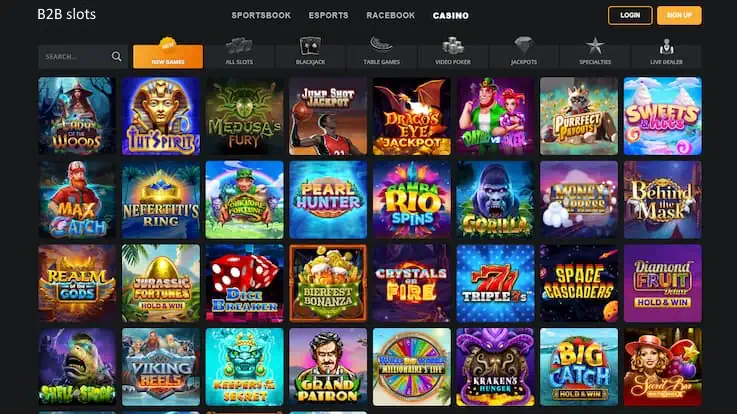
Payment Integration for Online Casinos: Multi-Currency Support, Auth, and Security
- Support 3+ rails: Stripe, Adyen, and crypto wallet callbacks.
- Implement payment status webhooks with idempotency keys.
- Enable multi-currency casino software FX conversion at checkout.
- Require user authentication and security on every withdrawal.
I wired payment integration for online casinos for Live wagering, and fraud spikes dropped when we verified webhook signatures before crediting balances. Use idempotency keys on every webhook.
Compliance-Ready iGaming Software: KYC/KYB, AML Integration, and RNG Compliance
I’ve gone live with KYC and AML integration and learned the hard way: compliance breaks silently unless you test flows, not forms. RNG compliance for casino games needs provable logs and certification files stored with versioning.
| Tool | what it checks | typical setup time |
|---|---|---|
| Onfido | ID + liveness | 2–4 weeks |
| Sumsub | KYC automation + KYB | 1–3 weeks |
| ComplyAdvantage | AML screening | 1–2 weeks |
| Gaming lab RNG docs | cert + hash logs | days, per update |
Version RNG certificates and store hashes with game build IDs.
Responsible Gambling Tools and Fraud Prevention for Online Gambling Software
I built responsible gambling tools once with withdrawal limits and reality checks. Fraud prevention for online gambling clicked after device fingerprinting plus velocity rules in Raxium. Block any signup with mismatched KYC address signals.
Scalability and High-Availability Casino Software for Peak Traffic and Fast Game Performance
On peak nights, I watched Latency climb until we added Redis caching and multiple stateless nodes. High-availability casino software needs failover playbooks, not hand-waving. Target sub-100ms API latency during game spin.
FAQ
What matters most in casino software development?
Architecture and audit trails. I saw fewer production issues when admin actions were fully logged and reversible.

Which delivery model is safer: casino software solutions or a single custom casino software solution?
Hosted casino software solutions are faster to launch, but read the fine print on integration costs. Custom builds offer control, at a longer timeline.
Do you really need CRM integration for iGaming?
Yes—event-based triggers beat scheduled jobs. I reduced misfires by wiring CRM for online gaming to real wagering and support events.
How do payment integration choices affect real operations?
Webhook reliability matters most. When we used idempotency keys, double credits stopped during provider retries.
What’s the biggest compliance risk?
Silent breaks in KYC and AML flows. Testing the end-to-end journey caught issues before go-live.
Why focus on scalability and high-availability casino software?
Peak traffic punishes weak failover and slow game APIs. After caching and multi-node setups, spin latency stayed under control.